Quick contact info

Illuminate your space with the latest in LED technology from Illinois Lighting. Serving North Aurora and the broader Chicagoland area

icon_widget_image Mon - Sat 8:00 - 17:30, Sunday - CLOSED icon_widget_image 191 Poplar Place, Suite 4 North Aurora, IL 60542 icon_widget_image 630-844-5060 icon_widget_image info@illinoislighting.com

How to Design Commercial Lighting for Maximum Energy Savings

At Illinois Lighting, we recognize that energy-efficient lighting design is one of the most powerful ways businesses can reduce operating costs and improve overall building performance. Commercial lighting accounts for a significant portion of energy consumption, and choosing the right design strategy helps ensure long-term savings without sacrificing visibility or comfort. By combining the right fixtures, layout, controls, and technology, businesses can create lighting systems that operate at peak efficiency and support a healthier, more productive environment.

Why Regular Maintenance Matters?

Lighting is critical for

Ensuring workplace safety and security

Enhancing employee productivity

Creating a welcoming environment for customers

Maintaining compliance with industry regulations

Reducing long-term operational costs

A well-maintained system reduces the likelihood of unexpected failures and maximizes the performance and efficiency of your fixtures, whether they’re LED, fluorescent, or specialty lighting.

Start with High-Efficiency LED Fixtures

The foundation of any energy-saving lighting plan begins with high-quality LED technology. LEDs outperform traditional lighting in every major category, from power consumption to longevity, making them the most cost-effective option for commercial spaces.

  • Lower wattage requirements – LEDs use far less energy while producing equal or greater brightness compared to traditional fixtures.
  • Longer lifespan – Reduced replacement needs lower maintenance costs and minimize downtime.
  • Higher lumen output – Efficient illumination allows for fewer fixtures while still delivering excellent coverage.

Use Lighting Controls to Reduce Waste

Lighting controls are essential for maximizing energy savings because they ensure fixtures are only used when necessary. Modern control systems can adapt to real-time conditions, occupancy patterns, and ambient light levels.

  • Occupancy and motion sensors – Automatically turn lights on when a space is in use and off when it’s not.
  • Dimming capabilities – Allow facilities to adjust brightness levels based on time of day or activity.
  • Scheduling systems – Ensure lights operate according to a preset timetable, preventing unnecessary energy use.

Optimize Light Placement and Fixture Layout

Even the most efficient fixtures won’t save energy if they are placed incorrectly. Proper spacing, mounting height, and fixture selection help maintain ideal illumination while eliminating waste.

  • Correct spacing reduces overlap – Avoiding excessive overlap between fixtures prevents unnecessary power usage.
  • Task-focused lighting – Concentrating light where it’s needed most reduces the number of fixtures required overall.
  • Reflective surfaces enhance efficiency – Using lighter paint colors and reflective materials improves brightness without increasing energy consumption.

Integrate Daylight Harvesting Strategies

Daylight harvesting is a powerful technique that leverages natural sunlight to reduce reliance on artificial lighting. When paired with the right sensors and controls, daylight becomes an important tool in lowering energy costs.

  • Automatic dimming – Fixtures decrease output when natural light is available, saving energy throughout the day.
  • Improved comfort and visibility – Balanced lighting prevents harsh contrasts between daylight and electric light.
  • Enhanced sustainability – Maximizing natural light reduces carbon footprint and supports green initiatives.

Maintain and Update Lighting Systems Regularly

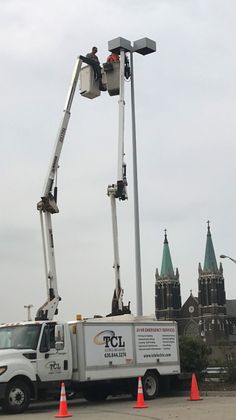
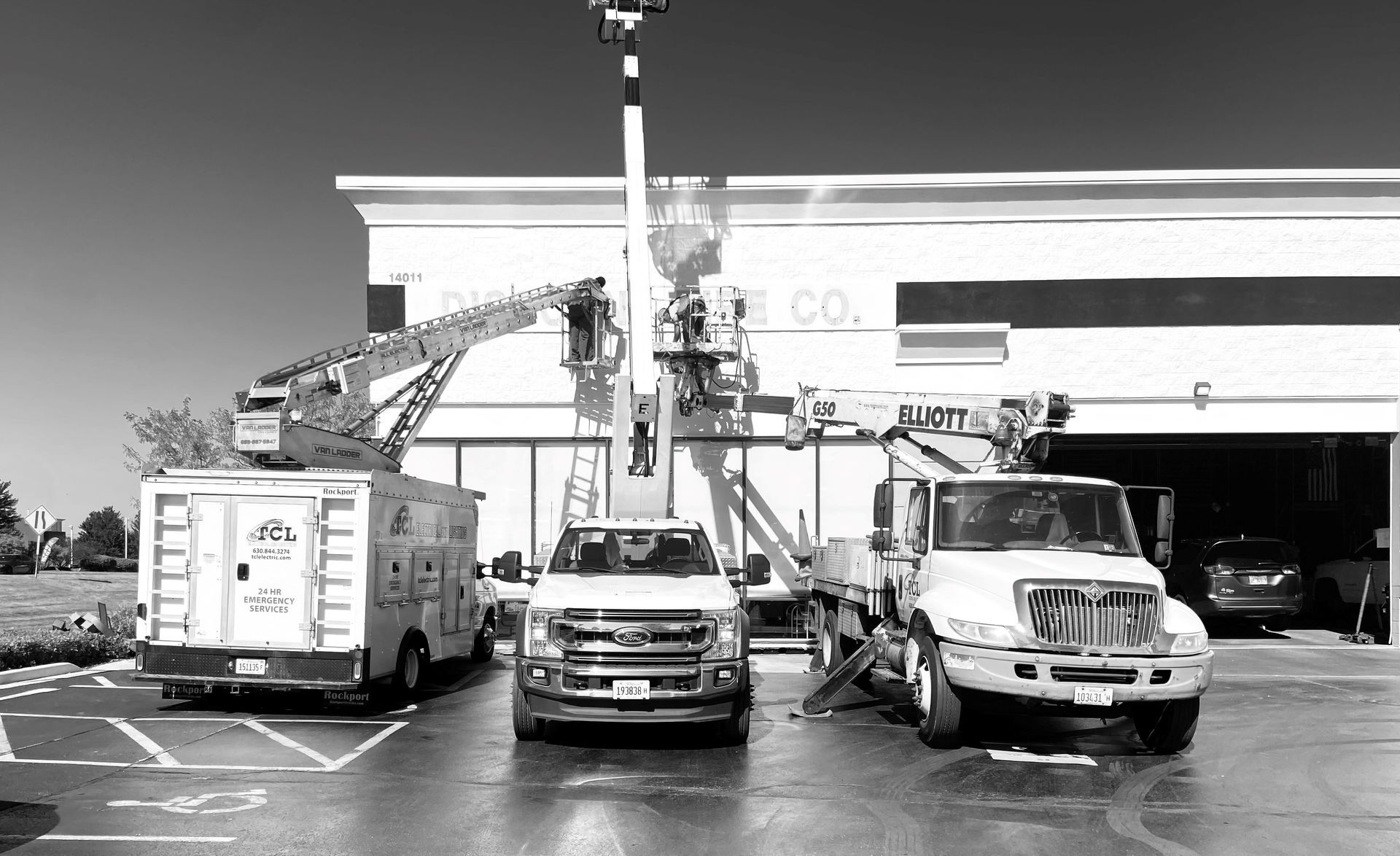
Proper maintenance ensures that a commercial lighting system continues to perform at peak efficiency. Over time, dust, aging fixtures, and outdated components can reduce effectiveness and increase energy usage.

  • Regular cleaning – Removing dust and debris from lenses and housings maintains proper light output.
  • Upgrading outdated fixtures – Replacing older technology with modern LEDs improves efficiency and performance.
  • Monitoring system performance – Smart controls and sensors help track energy usage and identify areas for improvement.

Why Choose Illinois Lighting

At Illinois Lighting, we specialize in designing commercial lighting systems that maximize energy savings while delivering exceptional performance. Our team works closely with businesses to evaluate their current setup, identify inefficiencies, and implement solutions tailored to their goals. With our expertise in LEDs, controls, layout planning, and energy-efficient technology, we help customers reduce operating costs and create better, brighter, and more sustainable environments. When you partner with us, you gain lighting solutions that deliver long-term value and support the success of your facility.