Common Commercial Lighting Problems & How to Diagnose Them
At Illinois Lighting, we know that even the best lighting systems can experience issues over time. In commercial environments where reliability and visibility are essential, lighting problems can affect safety, productivity, and energy costs. Identifying the root cause of these issues quickly helps prevent downtime and unnecessary expenses. From flickering fixtures and uneven illumination to premature failures and rising utility bills, understanding common commercial lighting problems—and how to diagnose them—empowers businesses to keep their spaces bright, efficient, and fully operational.
A well-maintained system reduces the likelihood of unexpected failures and maximizes the performance and efficiency of your fixtures, whether they’re LED, fluorescent, or specialty lighting.
Flickering or Blinking Lights
Flickering lights are one of the most common complaints in commercial settings. While sometimes harmless, flickering can also indicate deeper electrical or compatibility concerns that require attention.
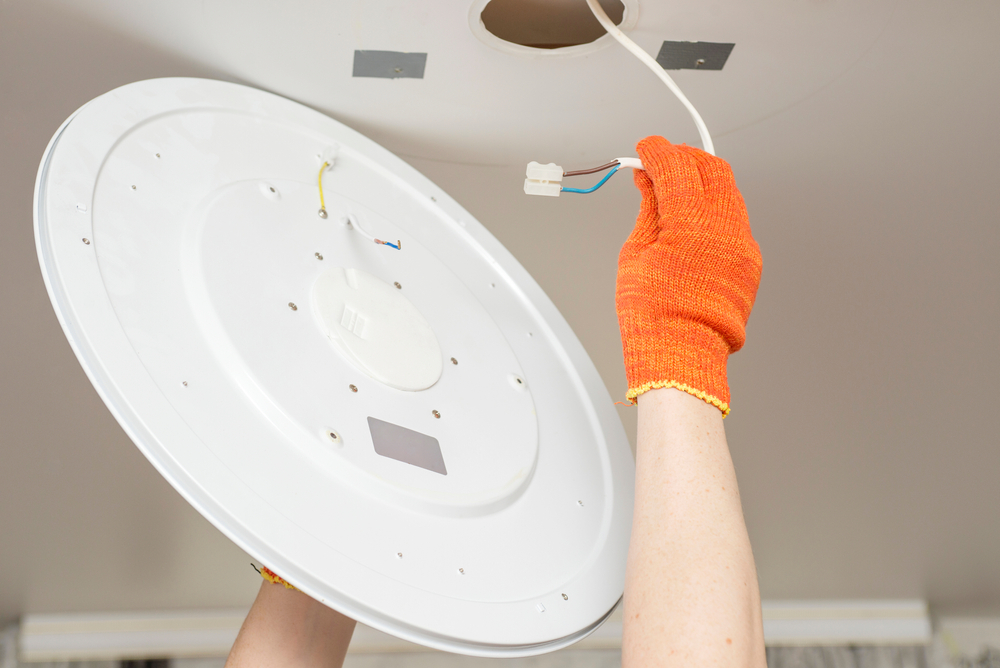
Loose wiring or connections – Unstable electrical contact can cause intermittent power flow.
Failing drivers or ballasts – Aging components often lead to flickering before complete failure.
Voltage fluctuations – Inconsistent power supply can cause lights to blink or dim unexpectedly.
Control system conflicts – Some fixtures flicker when paired with incompatible dimmers or sensors.
Dim or Uneven Lighting
Uneven illumination can make a facility feel unprofessional and can reduce visibility in critical work areas. Diagnosing the cause helps restore balanced, effective lighting.
Aging fixtures – LED lumen output decreases over time, leading to dim patches.
Incorrect fixture spacing – Poor layout or misaligned placement can cause dark zones.
Dirty lenses or reflectors – Dust buildup reduces light output.
Voltage drop issues – Long wiring runs or undersized circuits can reduce brightness.
Premature Burnout or Failure
Commercial LED fixtures are designed to last for many years, so early failure is often a sign of preventable issues. Diagnosing the cause helps protect long-term investments.
Overheating – Poor ventilation or heat buildup can shorten LED lifespan.
Low-quality components – Inferior drivers, chips, or housings fail more quickly.
Incorrect application – Using indoor-rated fixtures outdoors or in harsh environments leads to premature damage.
Installation errors – Improper wiring or mounting can place stress on the fixture.
High Energy Bills Despite LED Upgrades
LED upgrades are meant to reduce energy costs, but if bills remain high, several hidden issues may be at play. Addressing them ensures your lighting system delivers expected savings.
Lack of lighting controls – Without sensors or timers, lights may run longer than needed.
Outdated or mixed fixtures – Combining old and new technologies can reduce efficiency.
Improper layout – Too many fixtures or overlapping coverage increases energy use.
Sensors and Controls Not Working Properly
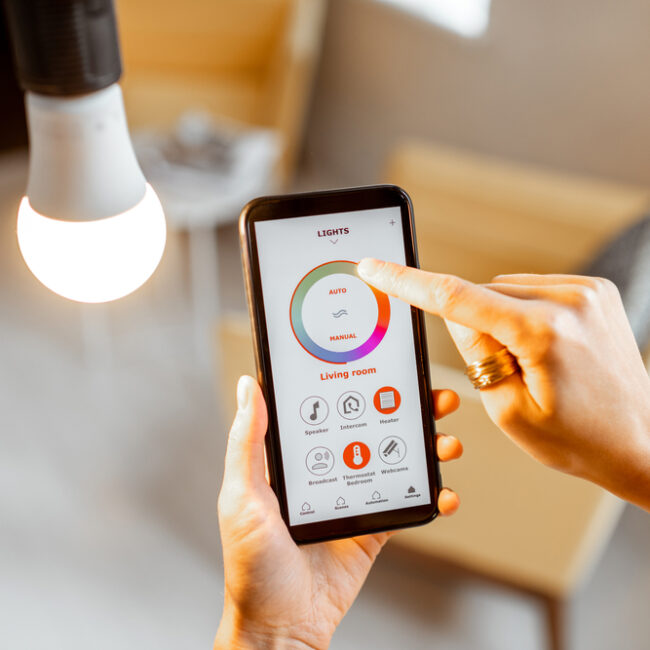
Smart controls can dramatically improve efficiency, but malfunctions can cause inconvenience or wasted energy. Diagnosing these issues ensures your system operates smoothly.
Incorrect sensor placement – Poor positioning can lead to false triggers or failure to detect movement.
Software or programming errors – Control systems may need updates or reconfiguration.
Interference from obstacles – Furniture, partitions, or machinery can block sensor detection.
Power supply inconsistencies – Low voltage or wiring issues impact control performance.
Why Choose Illinois Lighting
At Illinois Lighting, we help businesses identify and resolve commercial lighting problems quickly and effectively. Our team understands the technical challenges that affect lighting systems, from installation issues to component failures and energy inefficiencies. We provide expert assessments, high-quality LED solutions, and thoughtful design recommendations to ensure your facility operates with reliable, consistent, and cost-effective lighting. When you partner with us, you gain more than just products—you gain ongoing support and guidance to keep your lighting performing at its best.